
Character Performance & Dialogue Animation
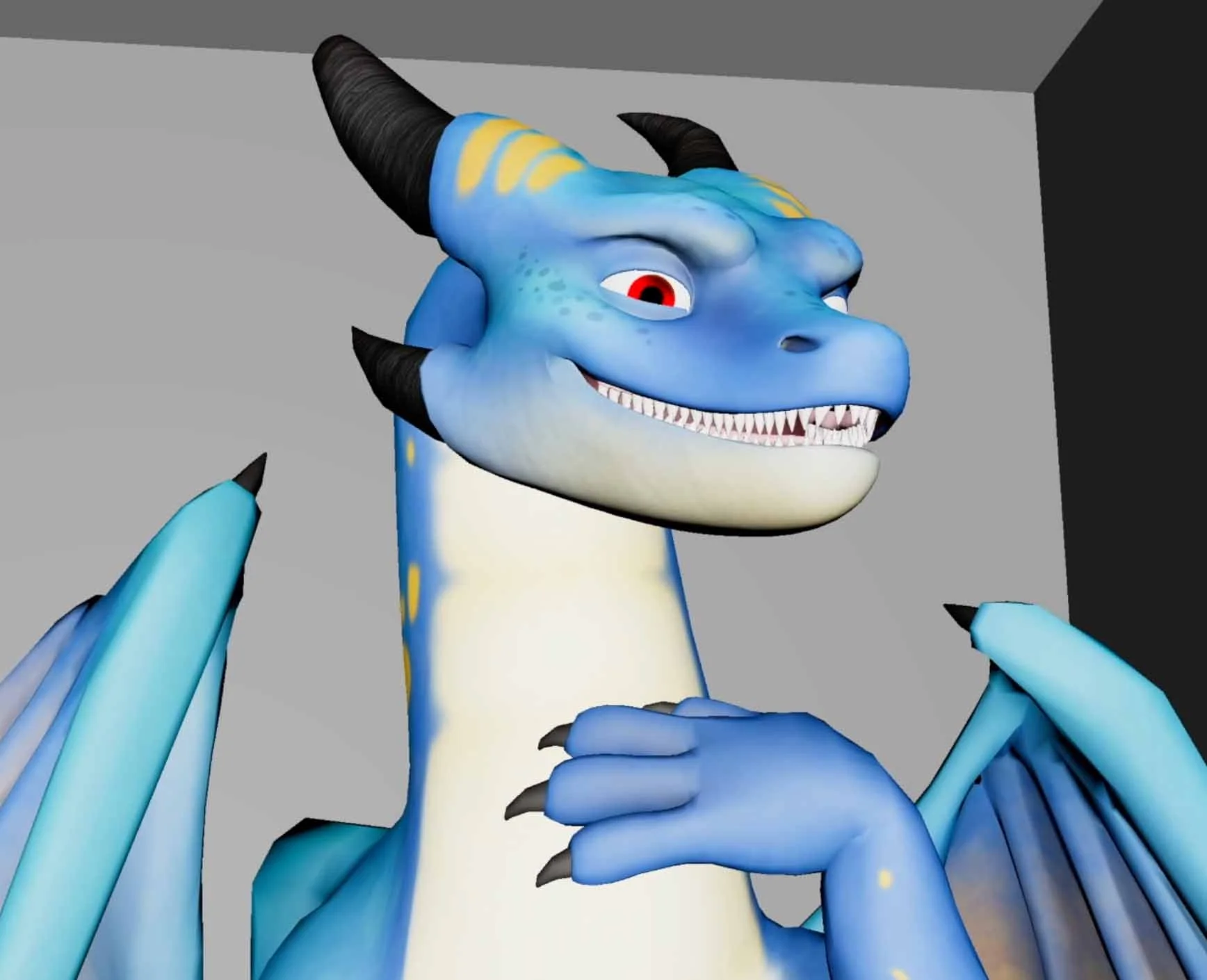
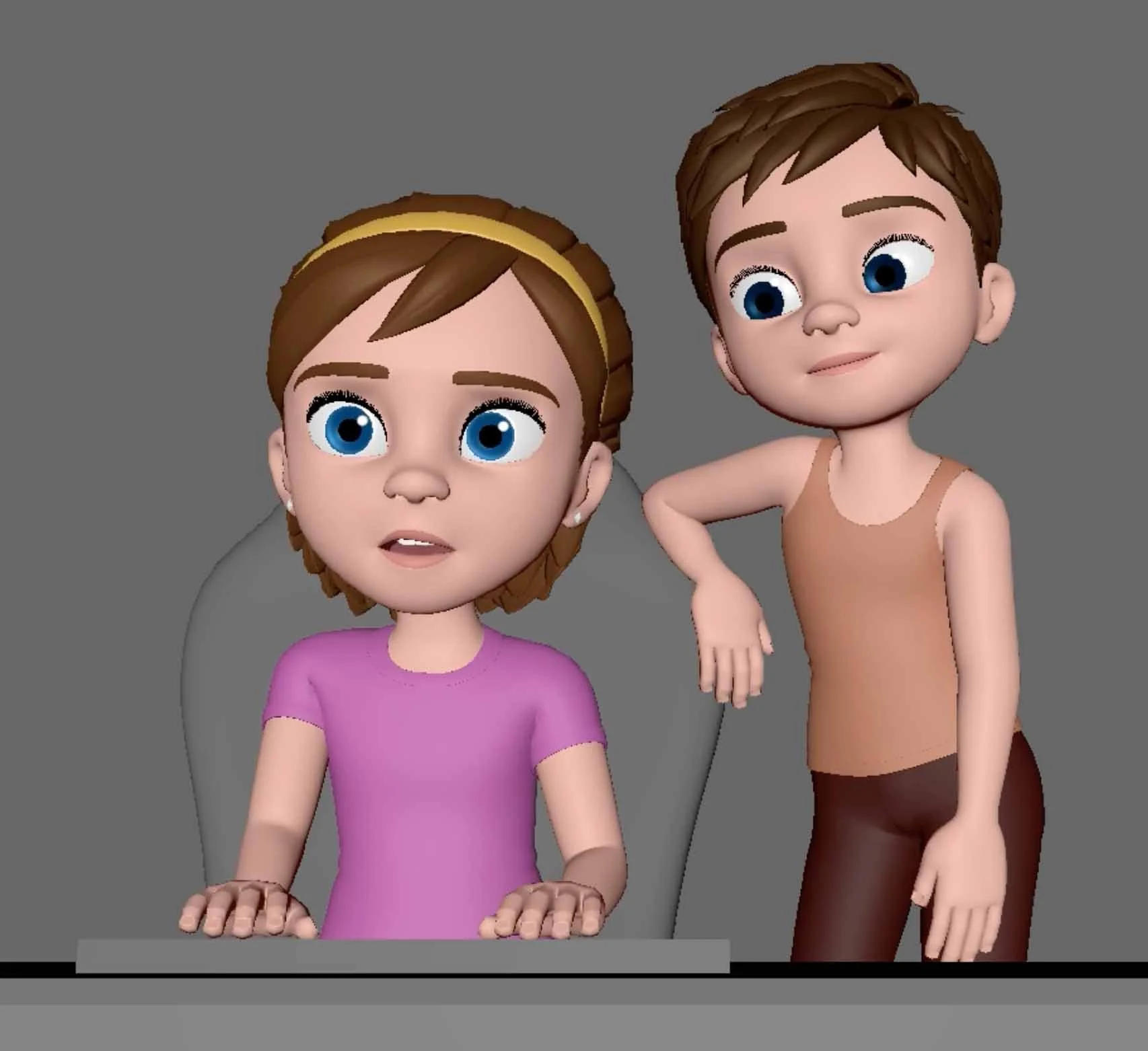
Created dialogue-driven character performances in Maya, focusing on lip sync, acting choices, facial expression, and body language across creature and human characters.
Quick Stats
2 completed dialogue-driven animation studies
Animated creature and human characters
Focused on lip sync, acting, and performance
Made using Autodesk Maya
Worked with beak, muzzle, and human facial structures
Utilized industry-standard animation workflows
Project Overview
This project explores character performance through dialogue, facial expression, and body language. Using a combination of creature and human characters, I focused on creating believable performances that clearly communicated emotion, personality, and intent. The work involved planning acting choices, developing convincing lip sync, and refining body mechanics to support the dialogue. These studies helped strengthen my understanding of character-driven animation and performance-based storytelling.
Software Used


Maya
Photoshop
My Roles
Selected and analyzed dialogue audio
Planned acting beats and performance choices
Created thumbnail sketches and pose explorations
Animated body mechanics and character acting
Developed facial animation and lip sync
Refined timing, spacing, and performance clarity
Polished animation through multiple feedback iterations
Produced final playblast presentations
Dialogue Analysis & Performance Planning
Before animating, I analyzed the dialogue to identify key emotional beats, shifts in tone, and opportunities for visual storytelling. Thumbnail sketches were used to explore poses, staging, and acting choices before moving into Maya.
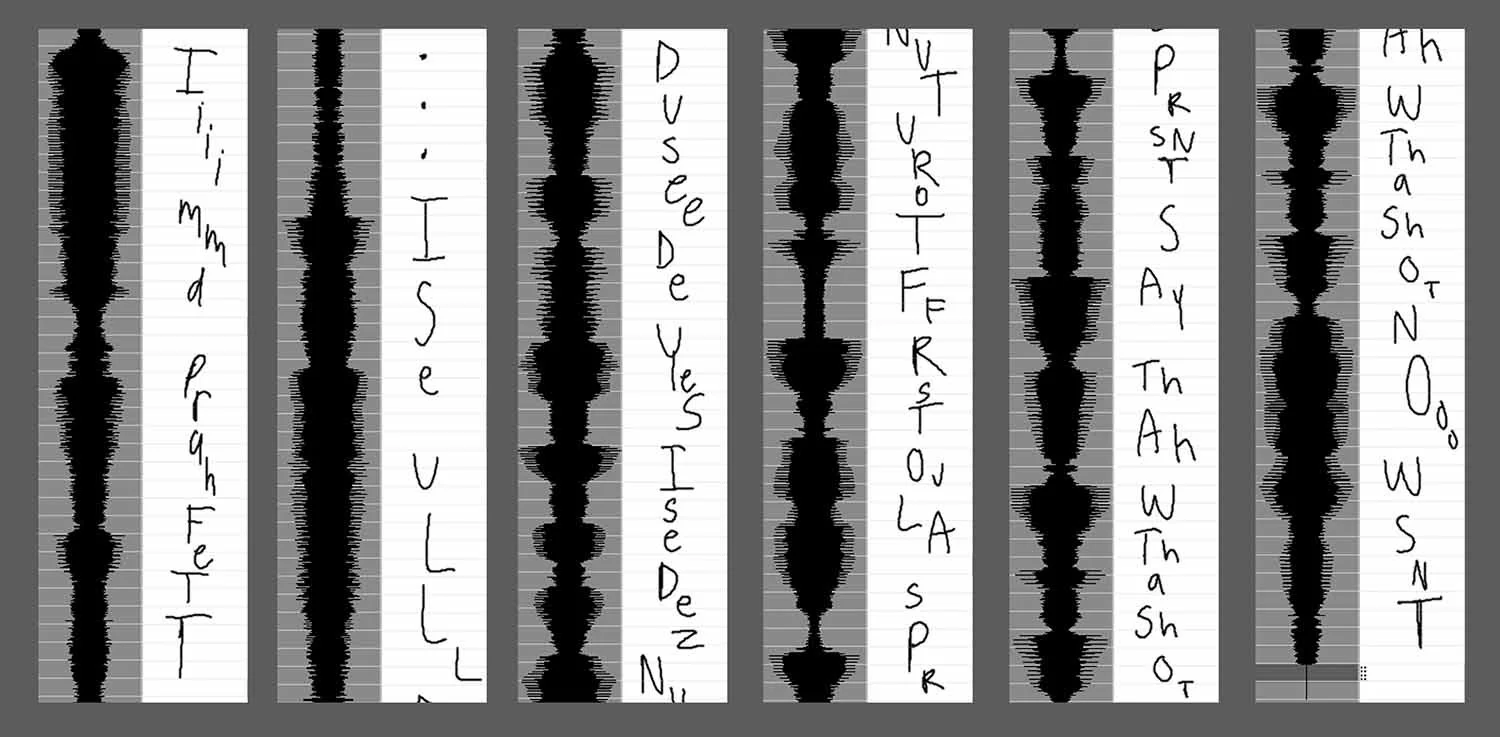
Audio Breakdown
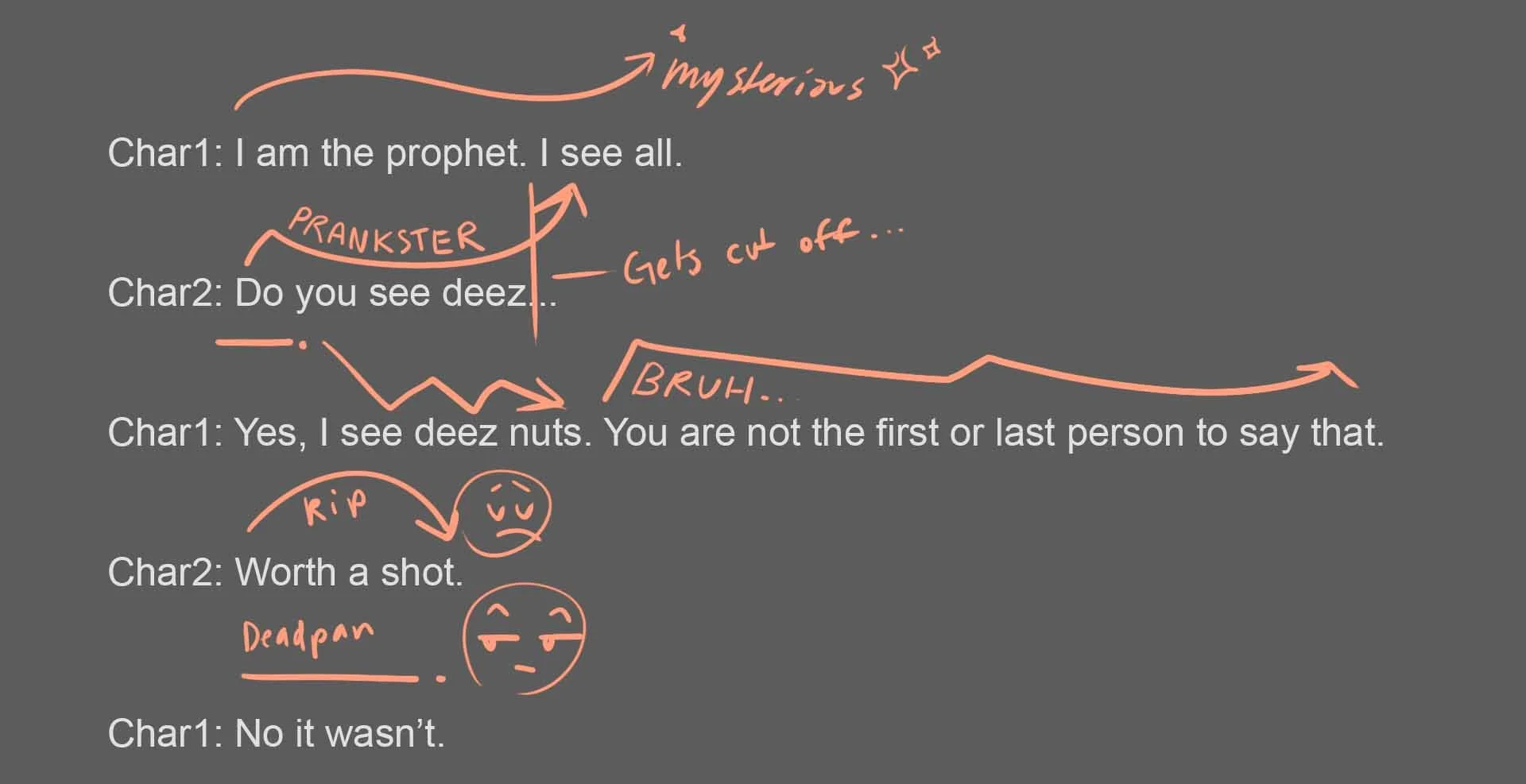
Dialogue Breakdown
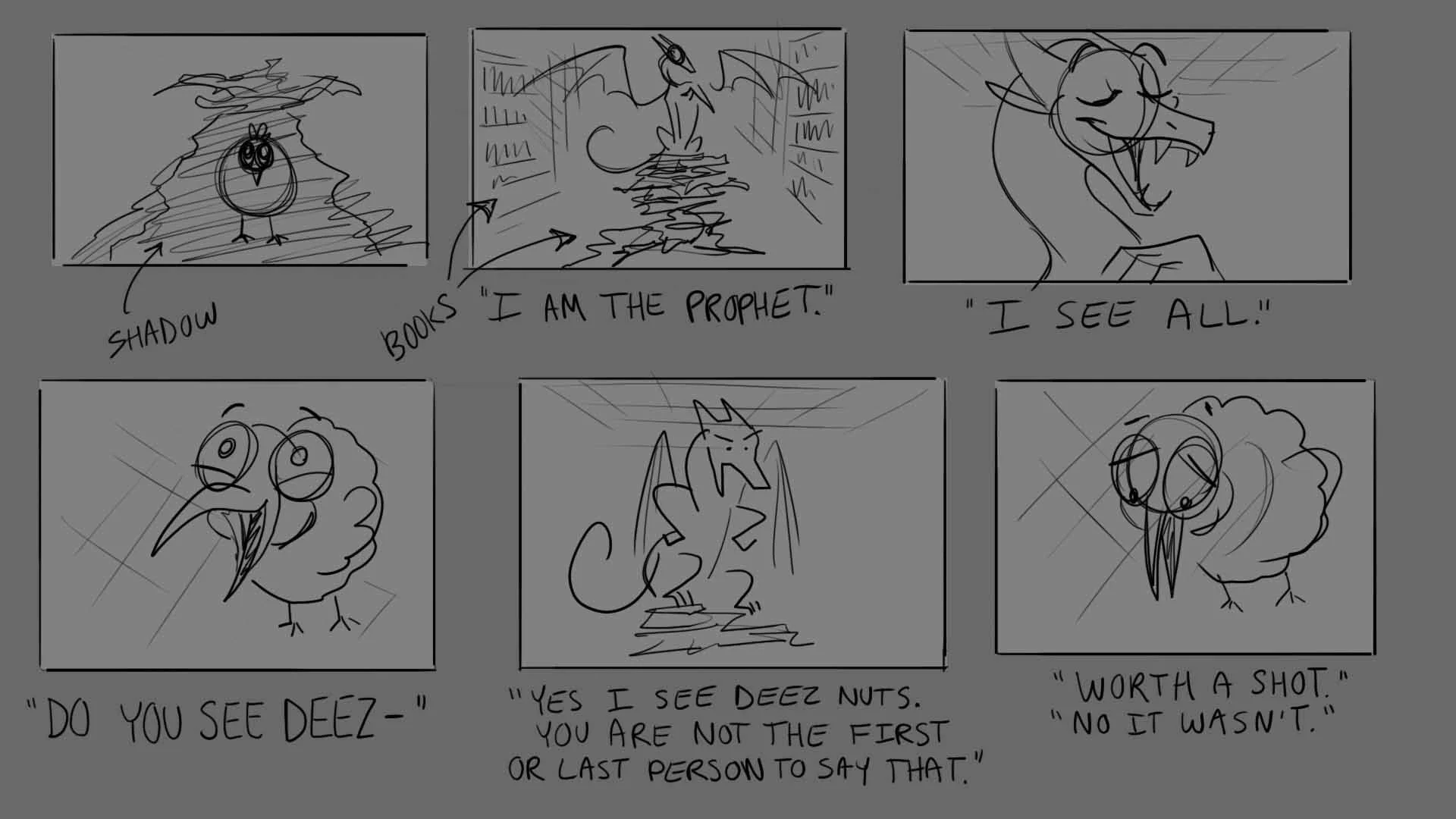
Thumbnails
Blocking & Acting
The animation process began with blocking strong poses and establishing clear acting choices. Special attention was given to body language and silhouette to ensure the performance remained readable even before facial animation was introduced.
Lip Sync Development
A major focus of these studies was developing convincing lip sync across different character types. The creature animations required adapting performance techniques for both beaked and muzzle-based facial structures, while the human character study focused on more traditional facial animation and dialogue performance.
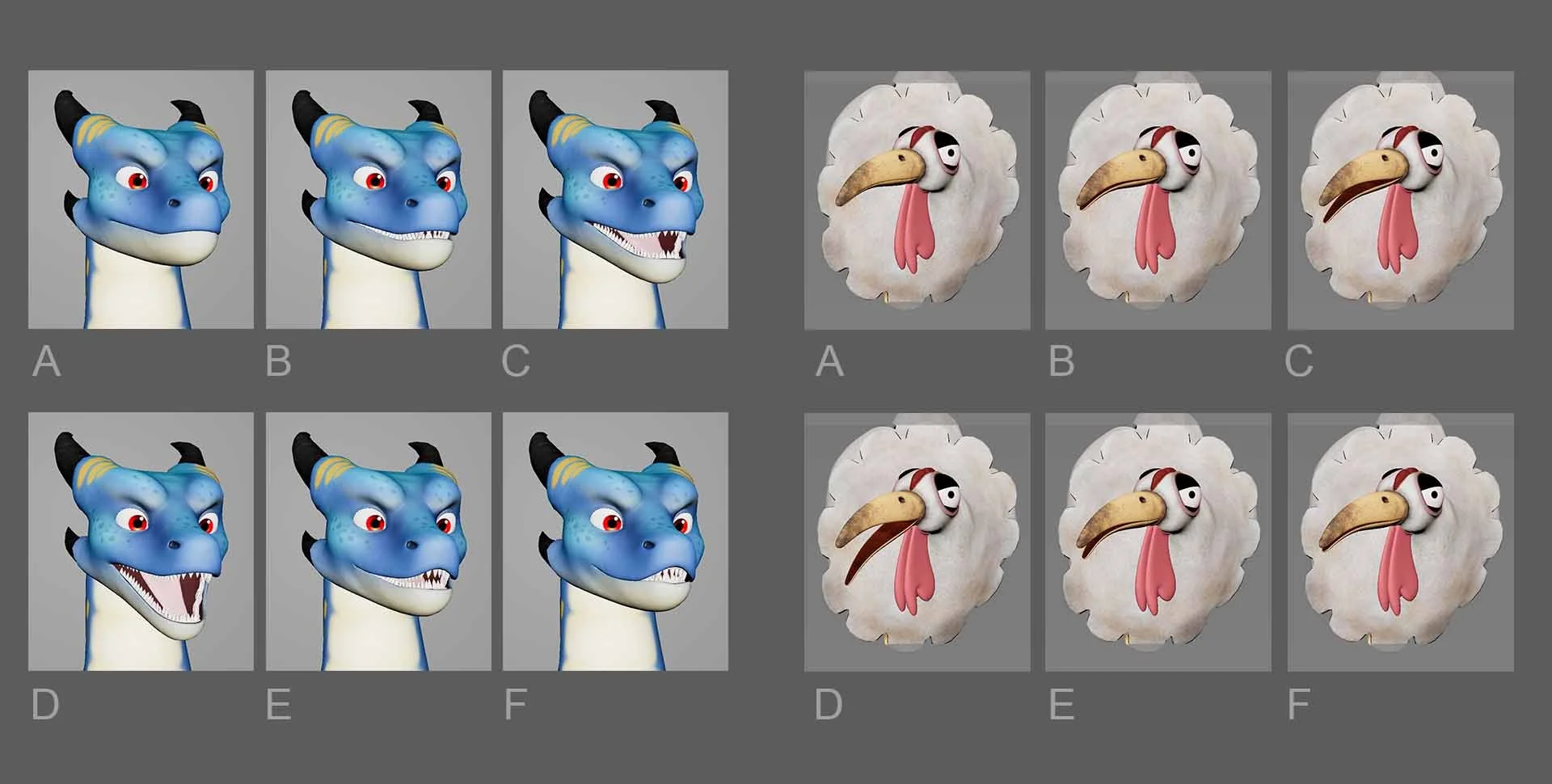
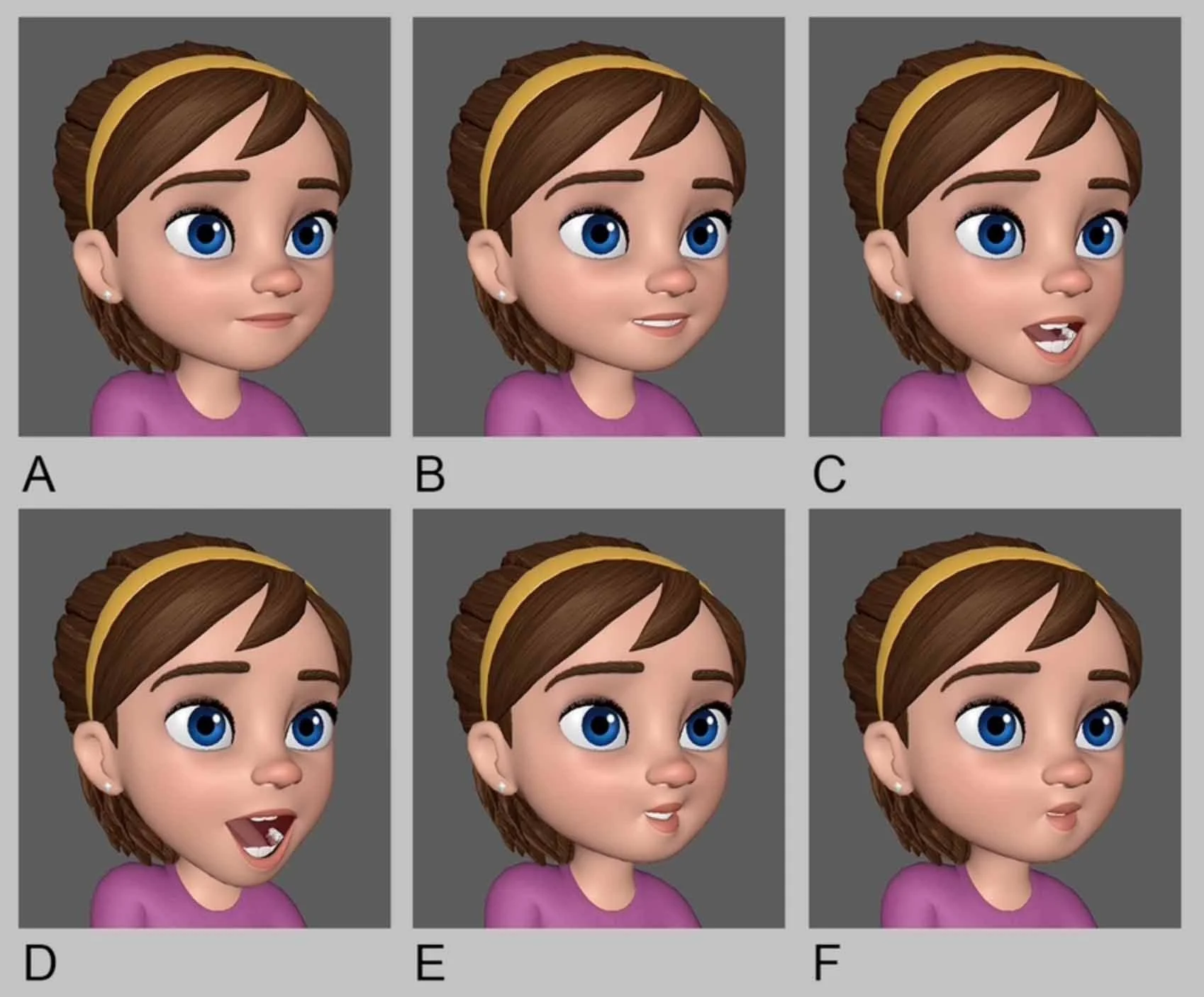
ABC mouth charts
Final Results
Creature Character Study
Dialogue-focused performance featuring beaked and muzzle-based character lip sync.
Human Character Study
Dialogue-focused acting study emphasizing human facial performance and body language.
Reflection
These projects strengthened my understanding of performance-driven animation and the importance of supporting dialogue through both facial expression and body language. Working with creature and human characters challenged me to adapt my approach to different facial structures while maintaining believable performances. Through multiple rounds of feedback and refinement, I developed a stronger appreciation for the subtle acting choices that bring animated characters to life.